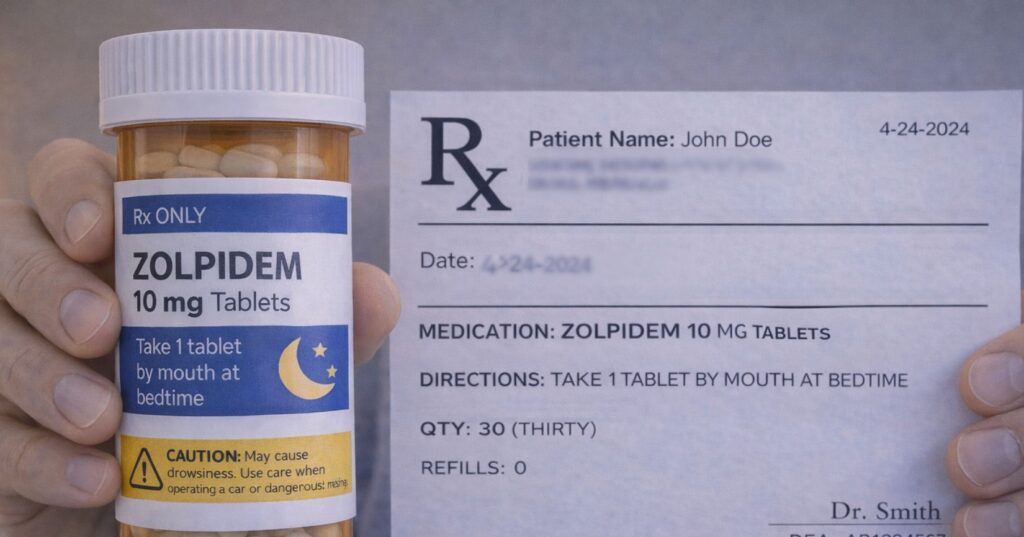
Navigating Your Zolpidem Prescription: Tips for Safe Use and Management
Zolpidem is a prescription-only sleep medication commonly used for the short-term treatment of insomnia. It belongs to a group of medicines often referred to as “Z-drugs,” which are designed specifically to help with sleep onset and, in some cases, sleep maintenance. When used correctly, zolpidem can be effective in restoring sleep during difficult periods. However, like all sedative medicines, it must be used carefully.
This guide explains how a zolpidem prescription works, what patients should expect, and the key tips for using and managing zolpidem safely.
What Is Zolpidem?
Zolpidem works by acting on receptors in the brain that promote sleep. Unlike benzodiazepines, it is more selective in its action, which is why it is often prescribed specifically for insomnia rather than anxiety or muscle-related conditions.
Zolpidem prescription is typically prescribed for people who have difficulty falling asleep or who experience frequent nighttime awakenings that significantly affect daytime functioning.
Common reasons zolpidem may be prescribed
- Short-term insomnia linked to stress or life events
- Sleep disturbance causing daytime impairment
- Temporary sleep disruption while underlying causes are addressed
Why Zolpidem Is Prescribed for Short-Term Use
Although zolpidem can be effective, it is not intended as a long-term solution for chronic insomnia. With ongoing use, the body may become tolerant, meaning the medicine becomes less effective over time.
There is also a risk of dependence and withdrawal symptoms if zolpidem is taken regularly for extended periods. For this reason, prescribers usually recommend the lowest effective dose for the shortest possible duration.
Understanding Your Zolpidem Dosage
Your zolpidem dosage is tailored to your individual needs. Factors such as age, overall health, sensitivity to sedatives, and the nature of your sleep problem all influence dosing decisions.
Older adults are often prescribed lower doses due to increased sensitivity and a higher risk of side effects such as confusion and falls.
Key dosage tips
- Take zolpidem exactly as prescribed
- Take it immediately before going to bed
- Ensure you can sleep for several uninterrupted hours
- Do not take an extra dose during the night
Never increase the dose without medical advice, even if sleep problems persist.
What to Expect When Taking Zolpidem
Zolpidem usually works quickly, helping many patients fall asleep within a short period. You may feel drowsy soon after taking it, which is why it should only be taken when you are ready for bed.
Common effects
- Faster sleep onset
- Reduced nighttime awakenings
- Improved sleep duration
Some people may experience a “hangover” effect the next day, particularly if they did not get enough sleep.
Possible Side Effects and Safety Concerns
Like all sleep medications, zolpidem can cause side effects.
Common side effects
- Drowsiness or fatigue
- Dizziness
- Headache
- Reduced concentration the next day
Less common but important effects
- Confusion or memory problems
- Unusual behaviors during sleep, such as sleepwalking
- Changes in mood or behavior
If you experience unusual nighttime behaviors or feel unsafe, contact your healthcare provider promptly.
Important Interactions to Avoid
Zolpidem affects the central nervous system and can interact with other substances.
- Alcohol, which significantly increases sedation and risk of harm
- Other sleeping tablets or sedatives
- Opioid painkillers
- Certain antidepressants and antipsychotics
Combining zolpidem with these substances can increase the risk of excessive sedation and impaired breathing.
Driving and Next-Day Safety
Zolpidem can affect alertness the following day, especially if taken late at night or at higher doses. Patients should avoid driving or operating machinery if they feel drowsy, slowed, or unable to concentrate.
Ensuring a full night’s sleep reduces this risk.
Managing Insomnia Beyond Medication
Zolpidem works best when used alongside non-drug strategies aimed at improving sleep quality.
Common recommendations include
- Maintaining consistent sleep and wake times
- Reducing caffeine and alcohol intake
- Limiting screen use before bedtime
- Creating a calm, dark sleep environment
- Managing stress and anxiety
These approaches can help reduce reliance on medication over time.
Stopping Zolpidem Safely
If zolpidem has been taken regularly, it should not be stopped abruptly without advice. Some patients may experience rebound insomnia or restlessness when stopping suddenly.
Your prescriber may recommend a gradual reduction or short planned course to minimise withdrawal effects.
FAQs About Zolpidem Prescriptions
Is zolpidem addictive?
It can be habit-forming if used long term, which is why short-term use is recommended.
Can zolpidem be used every night?
It is usually prescribed for short periods rather than continuous long-term use.
What should I do if zolpidem stops working?
Speak to your prescriber rather than increasing the dose yourself.
Is zolpidem suitable for older adults?
It may be used with caution at lower doses due to increased sensitivity.
Using Zolpidem Responsibly
A zolpidem prescription can be an effective short-term tool for managing insomnia when sleep problems are severe and disruptive. Understanding how zolpidem works, following dosing instructions, and being aware of side effects are essential for safe use.
By combining medication with healthy sleep habits and attending regular reviews, patients can manage insomnia more effectively while minimizing the risks associated with sleep medicines. Responsible use ensures zolpidem remains a helpful aid rather than a long-term dependency.